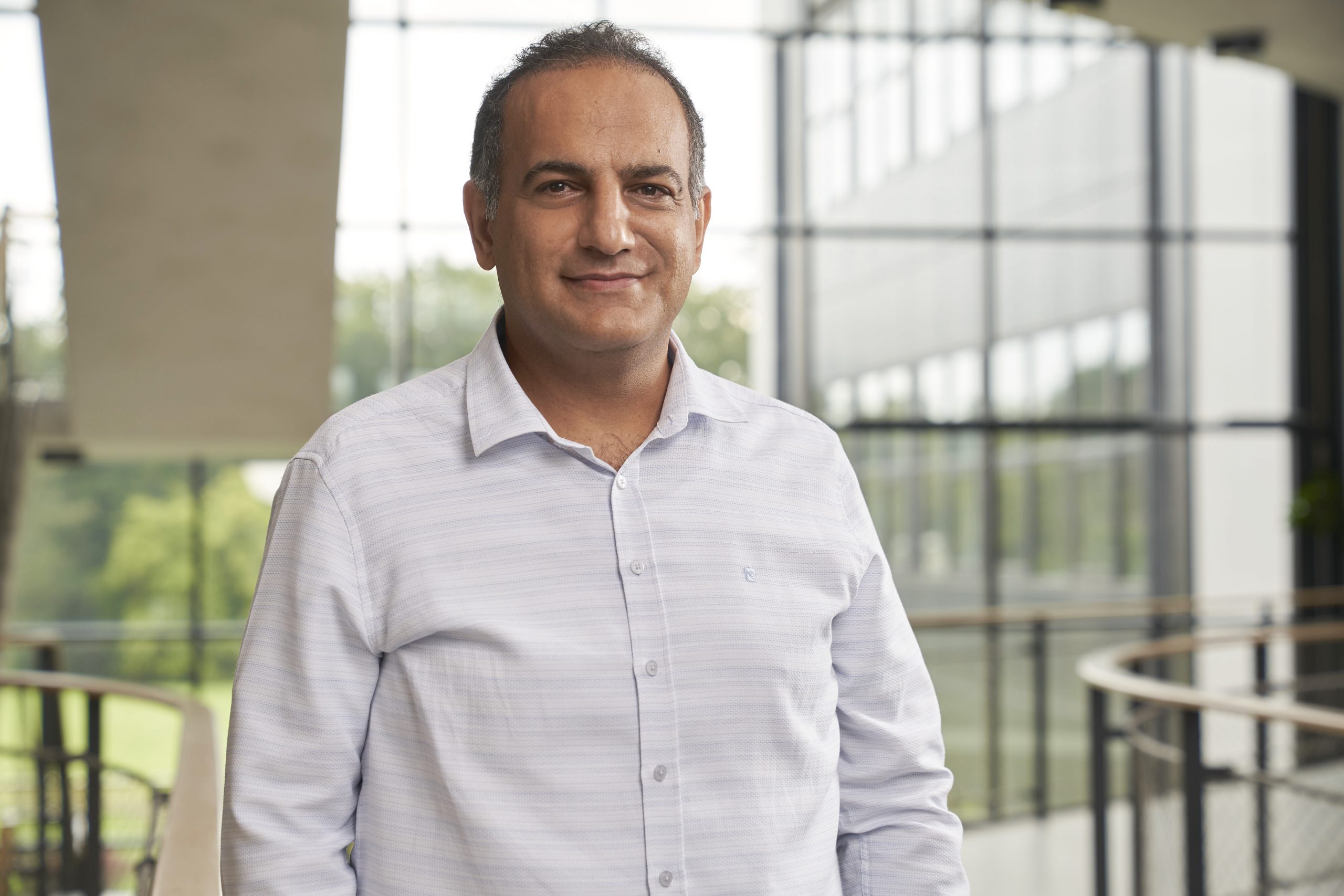
About Prof. Dr. Mehrdad Jalali
I am a Professor of Artificial Intelligence and Chemoinformatics at SRH University Heidelberg. My work combines methodological AI research with domain-driven scientific applications, with a particular focus on materials informatics, graph-based learning, optimization algorithms, large language models, and knowledge-driven data science.
Across research, teaching, and editorial leadership, I aim to build intelligent systems that are not only technically strong, but also scientifically useful, explainable, and aligned with real-world discovery processes.
Biography
My academic trajectory spans computer science, artificial intelligence, chemoinformatics, and data-driven materials research. I have worked across interdisciplinary settings where computational methods support both theoretical innovation and practical scientific progress.
I have been active in higher education and research for over two decades, with sustained engagement in machine learning, recommender systems, social network analysis, ontology engineering, semantic technologies, and more recently graph learning and generative AI for scientific discovery. Before joining SRH University Heidelberg, I also worked as a senior data scientist at KIT and held academic positions focused on AI and data-centric research.
My recent work increasingly centers on how advanced AI can support materials science, engineering design, and computational experimentation. This includes original optimization methods such as SOCIAL and LEA, graph-based frameworks such as MOFGalaxyNet, and research on how large language models can transform electronic laboratory notebooks and scientific knowledge workflows.
Highlights
- Research domains: AI, materials data science, graph learning, optimization, semantic technologies
- Applied scope: scientific discovery, engineering optimization, knowledge extraction, and data-centric decision support
- Academic activities: teaching, supervision, research leadership, editorial service, and proposal development
- Research style: methodologically original, interdisciplinary, application-aware, and impact-oriented
Research Themes
My work brings together foundational method development and domain-focused AI applications. The following themes define the core of my current research profile.
AI for Materials Science
Building machine learning and knowledge-driven frameworks for materials discovery, laboratory intelligence, and scientific interpretation of complex data.
Graph Learning & Scientific Networks
Developing graph neural models and network-based methods for representation learning, sparsification, prediction, and discovery in structured scientific domains.
Optimization & Intelligent Search
Designing original metaheuristic algorithms inspired by natural and social systems for challenging engineering and scientific optimization problems.
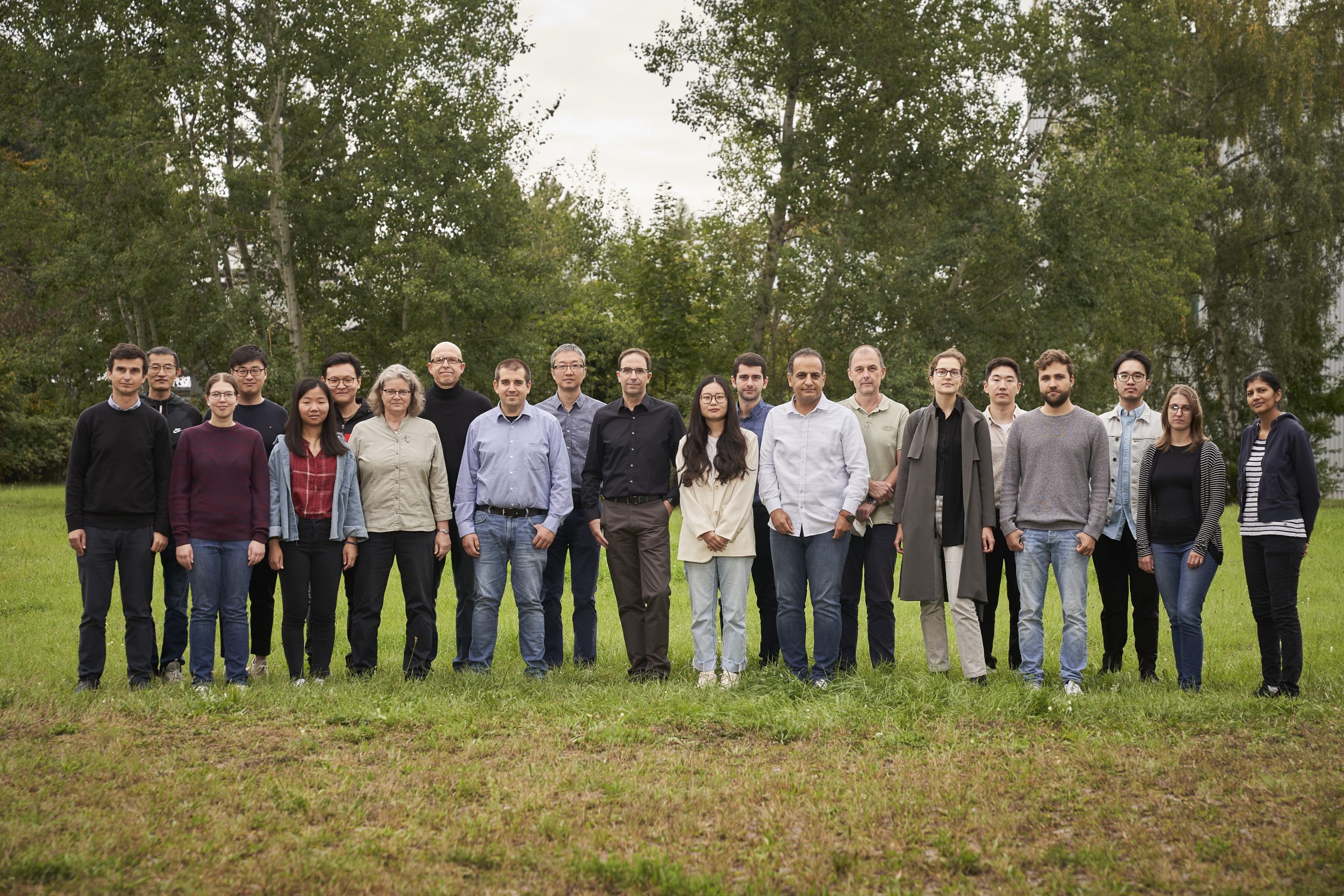
Research Group & Collaborators
My research activities involve interdisciplinary collaborations across artificial intelligence, materials science, and data science.
Selected Contributions
A number of my recent contributions illustrate the range of my work across graph learning, optimization, scientific AI, and materials informatics.
Black Hole Strategy
A gravity-inspired representative sampling method for frugal graph learning on MOF networks, aimed at preserving structural information while reducing data requirements.
MOFGalaxyNet
A graph convolutional framework for predicting guest accessibility in metal–organic frameworks through a network-based and relationship-aware representation of materials.
SOCIAL
A social-network-inspired optimization algorithm built around centrality, influence, and interaction-aware learning, bridging metaheuristics with network science concepts.
LEA
The Lotus Effect Optimization Algorithm, a nature-inspired search framework developed for engineering design and broader complex optimization tasks.
MOF-LENS
A lotus-inspired optimization framework for accelerating the discovery of metal–organic framework nanocarriers for doxorubicin delivery in cancer therapy.
LLMs in Materials Science
Research on how large language models can enhance electronic laboratory notebooks, documentation, knowledge extraction, and scientific workflow support in materials science.
Appointments, Editorial Roles & Institutional Affiliations
My academic profile combines university teaching and research with editorial leadership in international journals and interdisciplinary engagement across AI, materials data science, and computational discovery.
Deputy Editor-in-Chief
IET Software · WileyServing on the editorial leadership team of IET Software, supporting journal quality, editorial direction, and the broader development of research in software systems, intelligent computing, and advanced digital technologies.
View editorial boardSection Editor
Materials Data Science and Artificial Intelligence · Materials Today Communications · ElsevierLeading the Materials Data Science and Artificial Intelligence section at Materials Today Communications, with a focus on AI-enabled materials discovery, graph learning, scientific data workflows, and intelligent computational methods.
View editorial boardProfessor
SRH University HeidelbergAt SRH University Heidelberg, I contribute to teaching, research, supervision, and curriculum development in artificial intelligence, chemoinformatics, data science, and applied analytics.
View SRH profileFormer Senior Scientist
Karlsruhe Institute of Technology (KIT)My earlier work at KIT contributed to interdisciplinary scientific computing and data-driven research environments, helping shape later developments in materials AI, graph learning, and applied machine learning.
View KIT profileAcademic Perspective
My academic work is grounded in the belief that strong AI research should connect methodological originality with meaningful scientific application. This includes developing new computational methods, contributing to journal leadership, mentoring students, and helping shape how AI is used in research-intensive domains.
Current Focus
- Research:
AI for materials science, graph learning, large language models, and scientific machine learning - Editorial service:
Leadership and section-level editorial contributions in international journals - Teaching and supervision:
Applied AI, data analytics, responsible AI, and interdisciplinary project-based learning - Scientific impact:
Bridging algorithms, knowledge systems, and real-world discovery workflows
Contact
For research collaboration, invited talks, editorial matters, student supervision, or academic partnerships, please feel free to get in touch.
You can also connect this section to your Google Scholar, ORCID, LinkedIn, or publication page.
Affiliation
SRH University Heidelberg, School of Arts, Information and Media
Website
mehrdadjalali.de